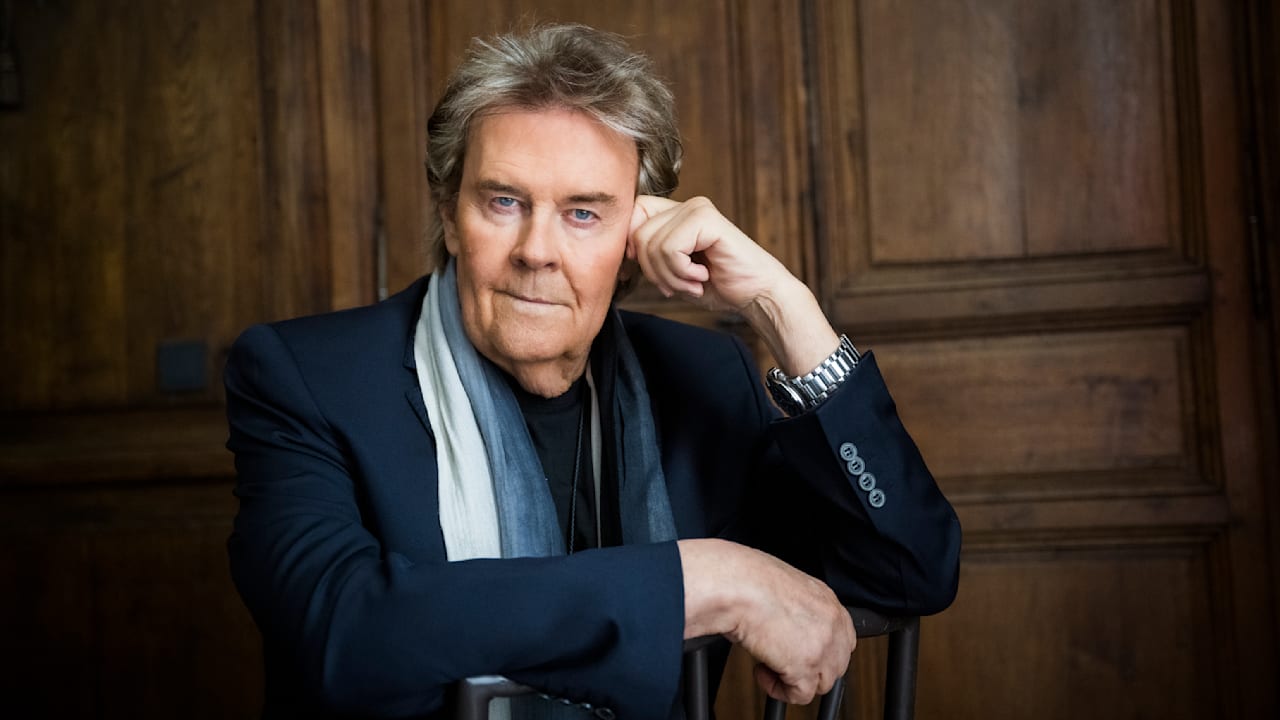
Howard Carpendale is a name synonymous with German popular music, a beloved figure whose charismatic stage presence and distinctive voice have captivated audiences for decades. Yet, the story of his rise to stardom, particularly his breakthrough in Germany, is a fascinating tale of unexpected turns, raw talent, and serendipitous encounters. This comprehensive look into the Howard Carpendale Biografie explores how a young man from South Africa, initially dreaming of a professional sports career, found his destiny as one of the most enduring Schlager stars.
A Sporting Prodigy's Unexpected Overture to Music
Born on January 14, 1946, in the vibrant coastal city of Durban, South Africa, Howard Carpendale’s early life was marked by a remarkable duality: an exceptional aptitude for both athletics and music. As a student at Durban High School, "Howie" was not merely active in sports; he was a true champion. His prowess in team sports like rugby and cricket was undeniable, but his individual achievements were equally impressive. In 1963, he clinched the South African youth championship in shot put, throwing a remarkable 15.33 meters with a six-kilogram shot. This early display of discipline, focus, and competitive spirit would, in an unexpected way, lay a formidable foundation for his future artistic endeavors. While sport dominated his youth, music was an equally compelling passion. At just twelve years old, Carpendale took to the stage as the singer of a school band, an early indicator of the vocal talent that would later define his career. His lifelong love for diverse activities also saw him dabble in car racing in the 1970s and later dedicating time to tennis and golf, illustrating a boundless pursuit of challenging hobbies and personal growth.
From Military Service to a Cricketer's Dream in London
After completing his schooling, Carpendale fulfilled his mandatory nine months of national service with the South African Defence Force (SADF) in Pretoria. This period, spent in a medical unit, was later described by him as a "depressing" experience, a stark contrast to the freedom and vibrancy of his youth. Upon discharge, he briefly embarked on a degree in economics in 1965, but his academic pursuits lasted only three months. The allure of sport, specifically professional cricket, proved stronger than textbooks. To the chagrin of his father, Carpendale left South Africa for London, a pivotal move that would ultimately steer him away from the cricket pitch and towards the stage.
In London, he initially supported himself by writing small newspaper articles for South African publications, a humble beginning for a future lyrical storyteller. It was here, amidst the vibrant cultural scene of 1960s London, that fate intervened. He answered an advertisement from an unknown beat band seeking a lead singer for an upcoming European tour. His audition piece, "Endless Sleep," secured him the spot, marking the beginning of his musical odyssey beyond his home continent. This seemingly minor gig was, in fact, the crucial first step on his path to becoming a German music icon, a journey vividly detailed in any comprehensive Howard Carpendale Biografie. This period highlights the importance of seizing unexpected opportunities, a valuable lesson for any aspiring artist.
The Accidental German Arrival: Norddeich and Meta Rogal
The European tour with the unnamed beat band proved to be a defining chapter in Carpendale's emerging career. It led him to Germany, a country that would soon become his adopted home and the launchpad for his extraordinary success. One significant stop on this tour was the "Meta" pub in Norddeich, East Frisia. This seemingly remote establishment, tucked away behind a dike, was far from ordinary. Its charismatic proprietress, Meta Rogal (1935-1994), possessed an uncanny knack for transforming her local pub into a pioneering institution of youth music culture during the 60s and 70s.
Meta's discerning eye for talent quickly recognized Carpendale's potential. He was making waves in Norddeich, not just with the band, but particularly as a captivating Elvis Presley imitator. His striking blonde hair, youthful good looks, and a distinctive South African accent made him stand out. Recognizing his unique appeal and the challenges a foreign artist faced, Meta Rogal became his unlikely guardian angel. She was instrumental in securing the necessary work and residence permits for him to remain and perform in Germany. This act of kindness and foresight was invaluable, allowing Carpendale to plant roots and continue his musical pursuits in a new cultural landscape, an often-overlooked but critical turning point in the Howard Carpendale Biografie. It underscores how individual support can be as vital as talent in an artist's career.
Electrola's Discovery: The Birth of a Schlager Icon
Carpendale's unique blend of charm, vocal talent, and exotic appeal soon caught the attention of major players in the German music industry. The renowned record company Electrola spotted the young South African, intrigued by his "boyish face" and characteristic accent. In 1966, Electrola took a chance, producing his first German Schlager single, "Lebenslänglich" (Life Sentence). While not an immediate chart-topper, its respectable sale of 60,000 copies was a significant "respect success," enough to earn Carpendale a multi-year recording contract. This was the true beginning of his professional music career in Germany, paving the way for a series of releases that would embed him deeply within the nation's entertainment scene.
From Beatlemania to Teen Idol Status: Establishing a Foothold
His star continued to rise steadily. In 1968, Carpendale cemented his position in German entertainment with his cover version of The Beatles' "Ob-la-di, Ob-la-da." His rendition became incredibly popular, showcasing his ability to interpret contemporary pop in a way that resonated with German audiences. The ultimate breakthrough into teen idol status arrived in 1970 with the emotionally charged song "Mädchen von Seite 1" (Girl from Page 1). This track not only became a massive hit but also triumphed as the winning entry in that year's "Deutscher Schlagerwettbewerb" (German Schlager Competition), solidifying his reputation and making him a household name. This period marked his transition from a promising newcomer to a bona fide star, a crucial chapter in the detailed Howard Carpendale: The German Pop Icon's Life, Hits, and Legacy.
The "Schlager-Fuzzi" Dilemma: An Artist's Internal Conflict
Despite his escalating success and legions of fans, Carpendale faced an internal struggle. With "Mädchen von Seite 1" and subsequent hits, the public perception of him became firmly entrenched as a "Schlager-Fuzzi" – a somewhat dismissive term for a Schlager artist. This categorization presented significant challenges for Carpendale, who fundamentally viewed himself as a pop-rocker. He felt pigeonholed by the genre, longing for artistic freedom that the Schlager label sometimes constrained. This tension between public expectation and artistic aspiration is a common theme for many performers, yet Carpendale navigated it with remarkable resilience, slowly evolving his sound while maintaining his core appeal. His journey exemplifies the delicate balance artists often walk between commercial success and creative integrity, demonstrating that true artistry often requires pushing against perceived boundaries.
Howard Carpendale's Enduring Legacy and Impact
Howard Carpendale's career, as extensively covered in any thorough Howard Carpendale Biografie, blossomed further throughout the 1970s and 1980s. Songs like "Ti amo," "Hello Again," and "Nachts, wenn alles schläft" became iconic classics, showcasing his knack for delivering powerful, romantic ballads that resonated deeply with his audience. His unique accent, once a distinguishing feature, became a beloved part of his charm, adding an exotic touch to his German performances. Carpendale's ability to maintain a strong connection with his fanbase, combined with his charismatic stage presence, ensured his longevity in an often-fickle industry. His story offers valuable insights for aspiring artists: adaptability, a unique selling proposition (like his accent or diverse background), and perseverance in the face of typecasting can pave the way for an enduring career. Furthermore, his journey from a sportsman in South Africa to a music legend in Germany highlights how embracing unexpected opportunities, like the beat band tour or the support from someone like Meta Rogal, can lead to unforeseen greatness. For more on his multi-faceted life, delve into Howard Carpendale: From Sports Champion to Schlager Star.
In conclusion, Howard Carpendale's German breakthrough was not a linear path but a rich tapestry woven from athletic ambition, military service, a London detour, and a fortuitous stop in a small German pub. His remarkable journey from a multi-talented South African youth to a revered Schlager star is a testament to his talent, resilience, and willingness to embrace the unexpected. His enduring popularity in the German-speaking world stands as a powerful legacy of an artist who transcended genres and cultural backgrounds to touch the hearts of millions, forever etching his name into the annals of German music history.